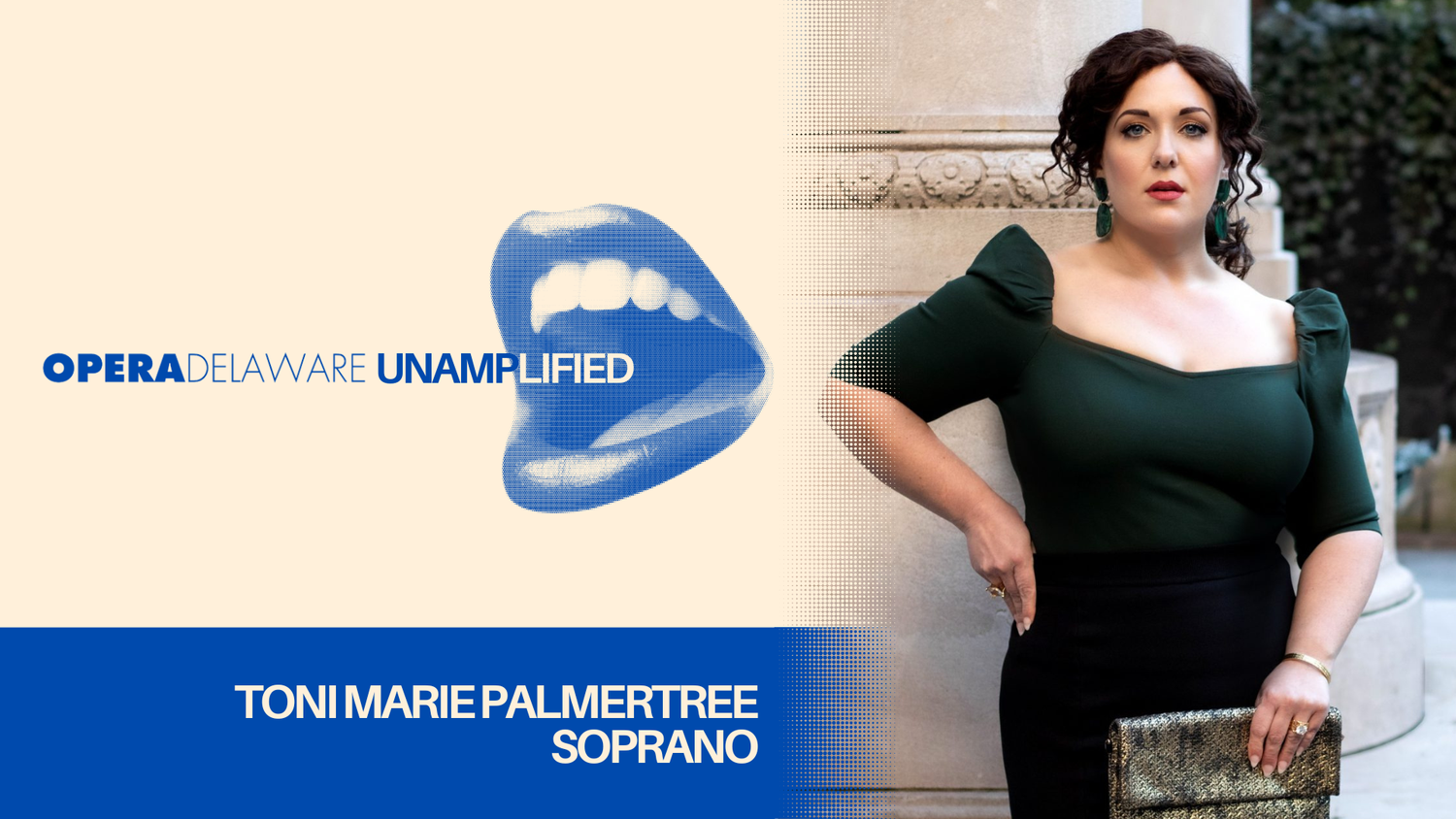
Soprano Toni Marie Palmertree, then an OperaDelaware Company Artist, on the training and work behind an opera career.
The Never-Ending Training of an Opera Singer
One of the things I love most about being an opera singer is that the training never stops! Our work goes far beyond singing. We constantly refine our minds, bodies, and voices to meet the demands of this incredible art form.
Opera singers train in acting, dance, movement, stage combat, music theory, piano, and multiple languages, to name just a few essentials. Each role brings new challenges and requires close study of history, culture, and technique.
Movement Matters
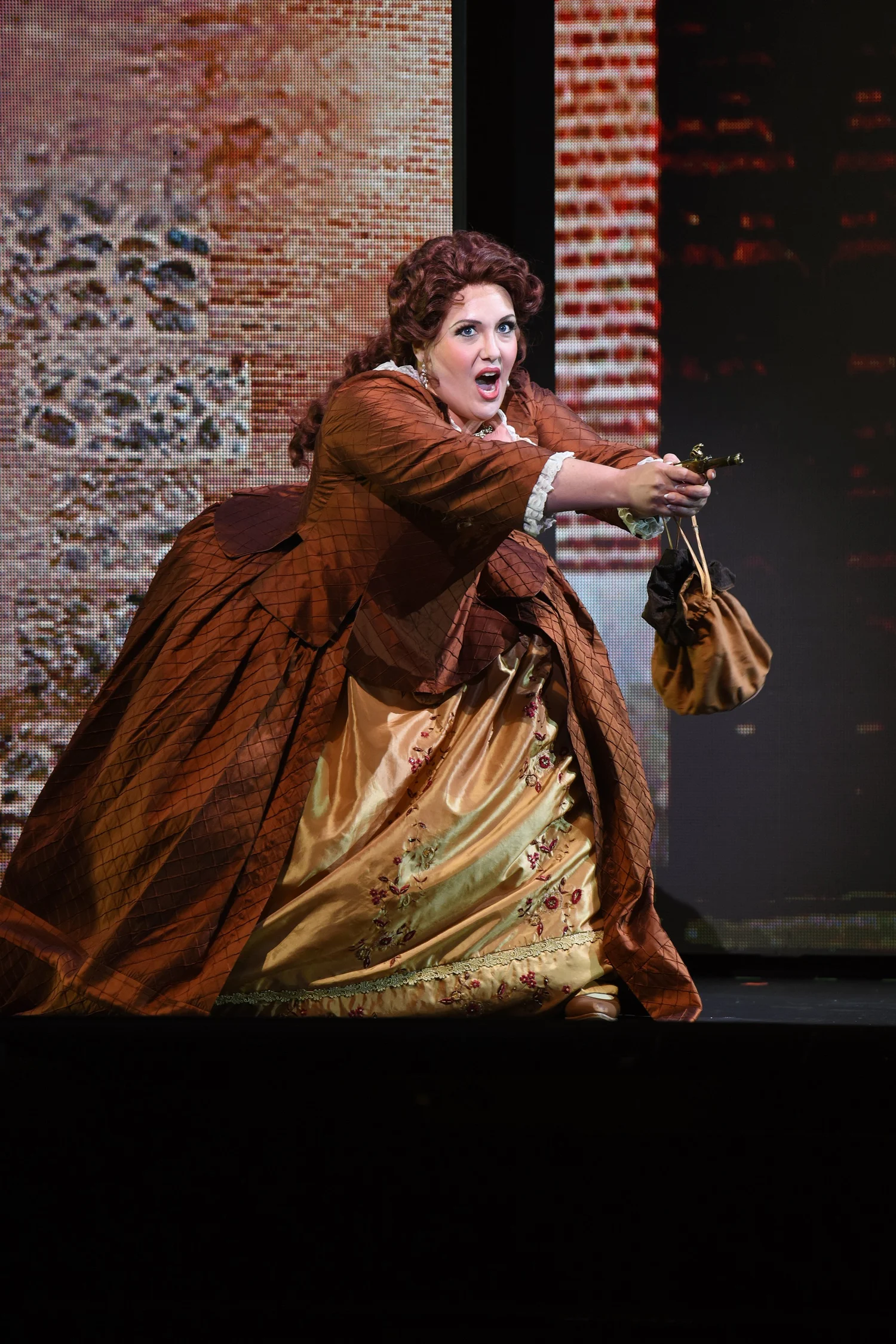
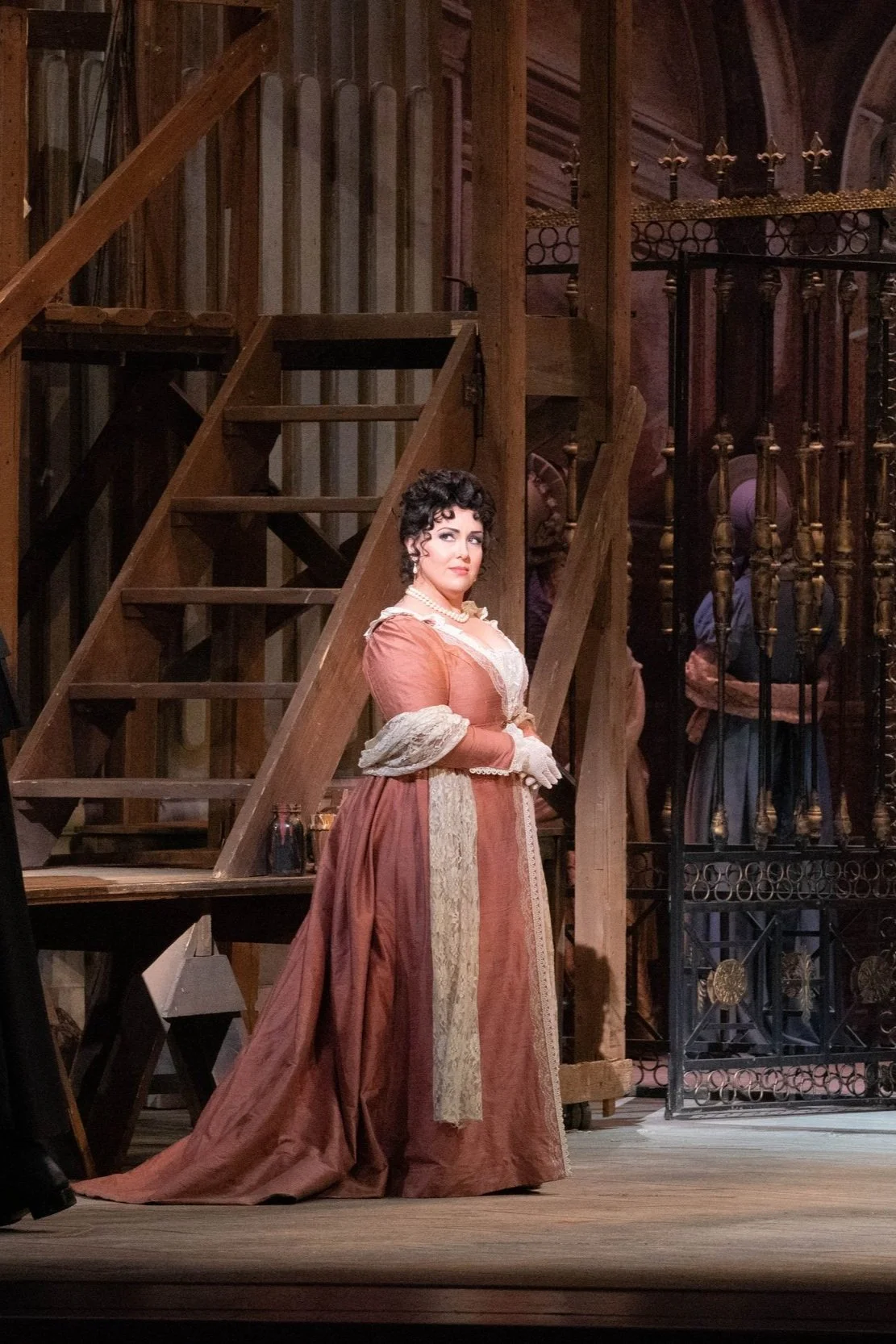
Costumes aren’t just for show: they dictate how we move on stage. A hoop skirt shouldn’t swish or lift when you sit, which is much harder than it sounds! In certain periods, fans weren’t just accessories; they were tools of communication, and we must master their use. Even stage combat requires specialized training to ensure both safety and authenticity.
The Preparation Behind the Performance
Before rehearsals even begin, the work is already in motion. We study the libretto, source material, and historical context. We work with diction coaches to sound like native speakers and stay sharp in the languages we perform in, especially since rehearsals can be conducted in the director’s or conductor’s native tongue.
The Business of Singing
As opera singers, we are also entrepreneurs. We invest in coaches, teachers, and training long before stepping into the rehearsal room. We manage our own branding through social media, which requires skills in content creation, graphic design, and audio and video editing.
Agents help us secure gigs, but we cover many costs up front: flights, accommodations, lessons, and coaching. If a production is canceled, as we saw during the COVID-19 pandemic, many of those expenses aren’t reimbursed. Even auditions require travel and lodging, which come out of pocket.
For concert work and smaller gigs, we also take on the roles of makeup artist and stylist, investing in stage makeup, wigs, formalwear, and alterations.
The Daily Discipline
A healthy voice requires daily care: proper nutrition, exercise, and recovery practices like massage, yoga, and Pilates. The physical and mental stamina this career demands is immense, but it’s all in service of creating something magical.
Being an opera singer is more than a profession. It’s a calling. Every performance is the result of years of dedication, study, and passion. Our goal is to transport audiences to another time and place, surrounding them with the unamplified power of the operatic voice.
I can’t wait to share that magic with you. See you at the opera!