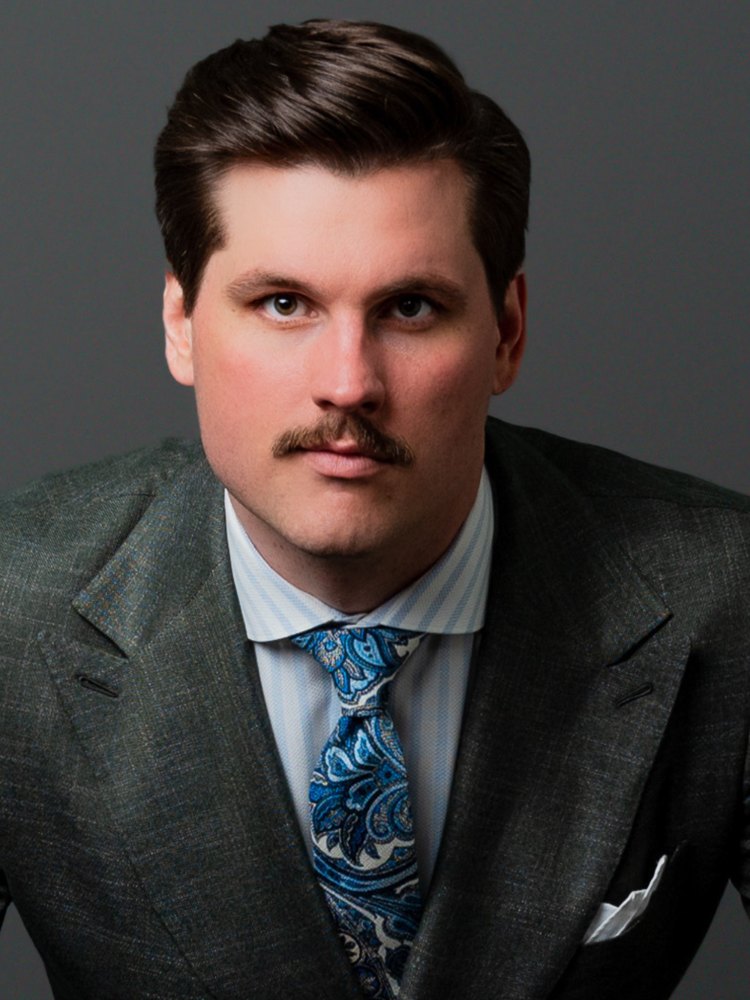
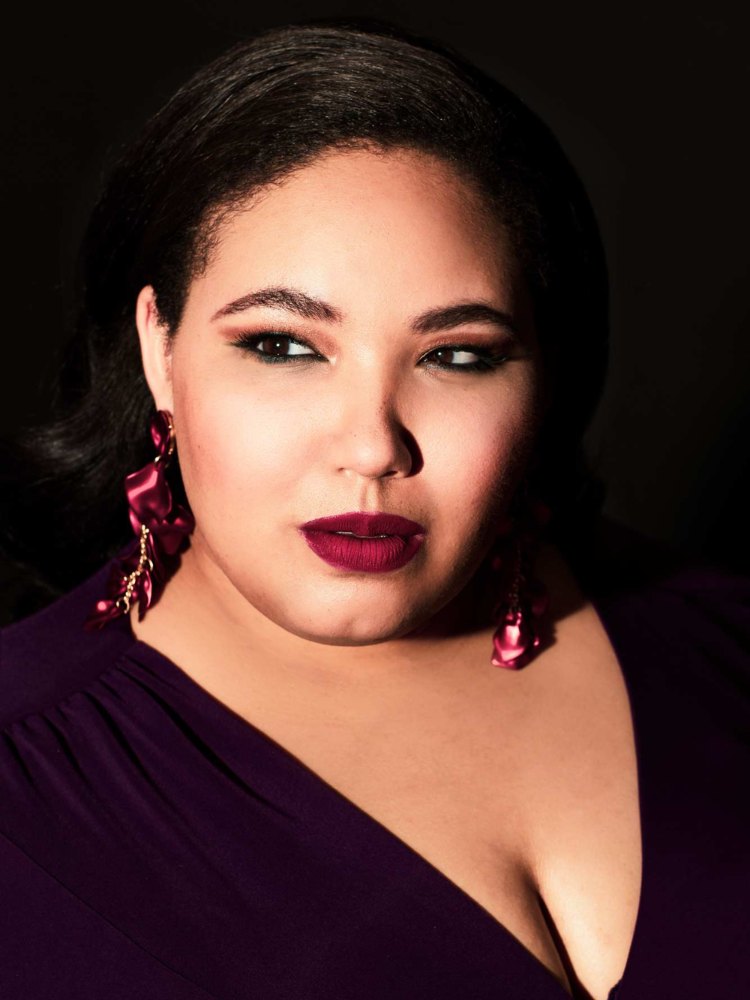
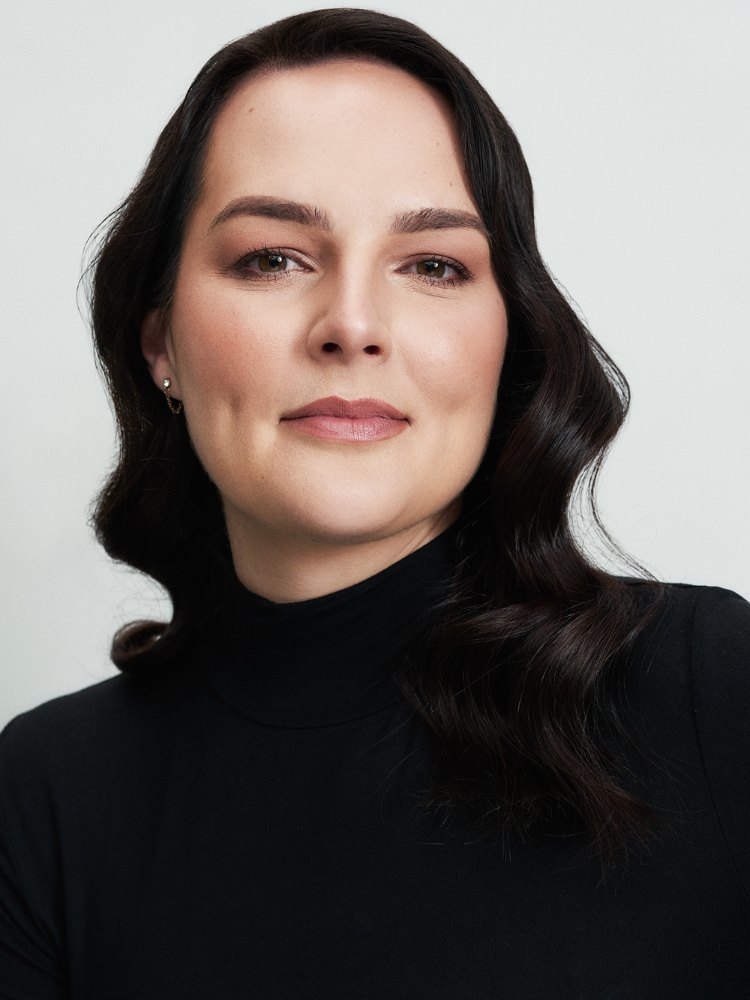
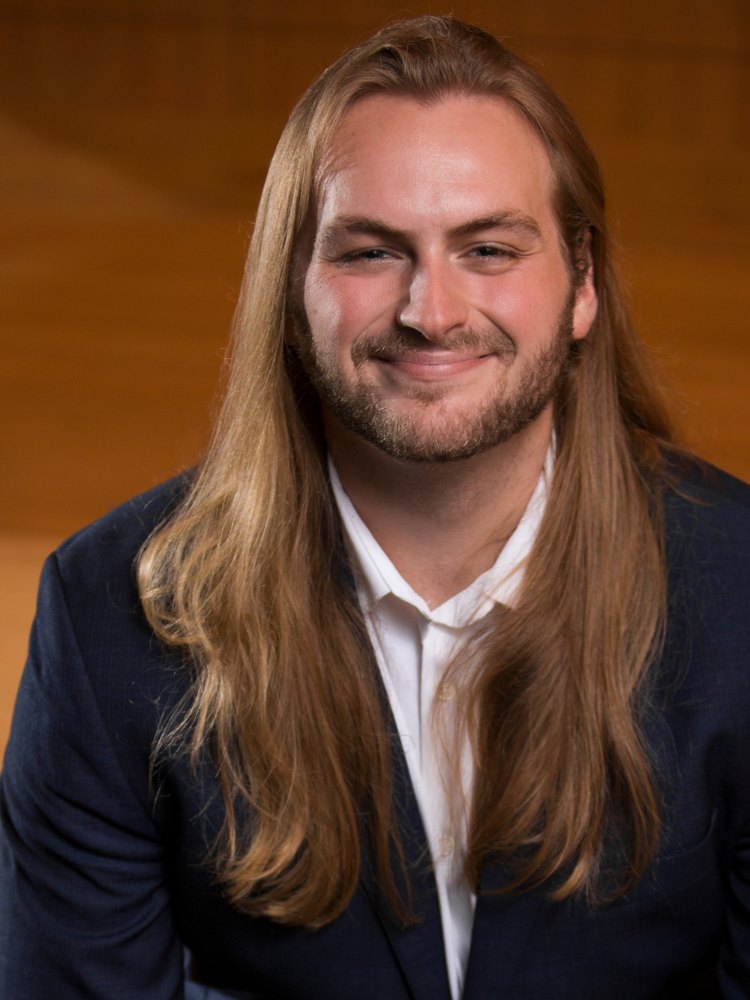
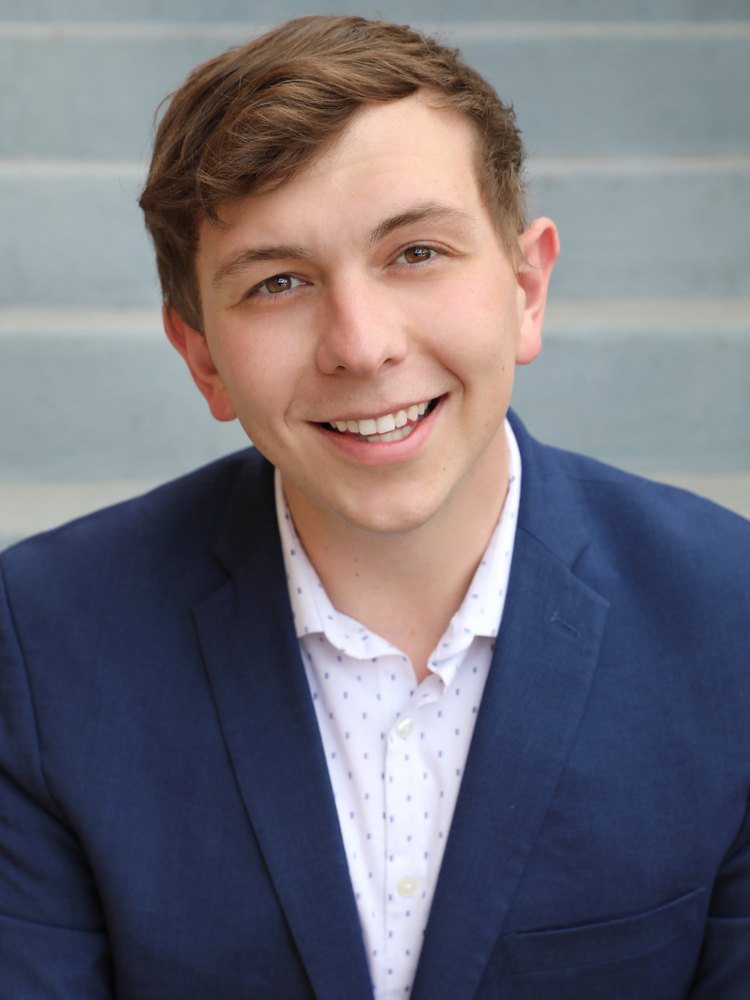
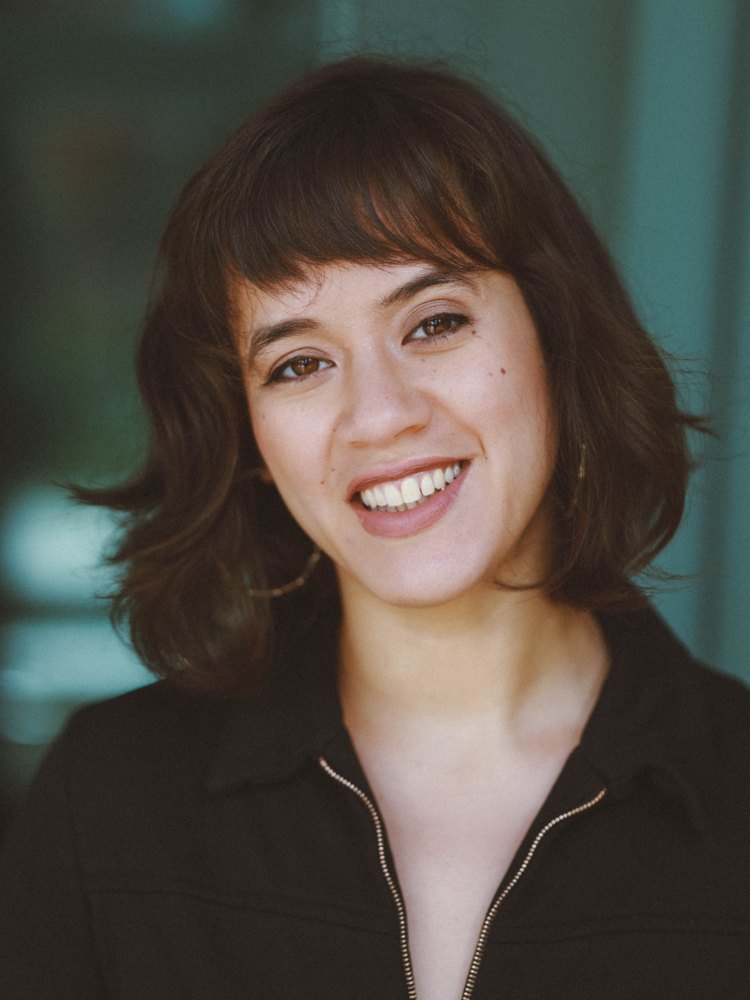

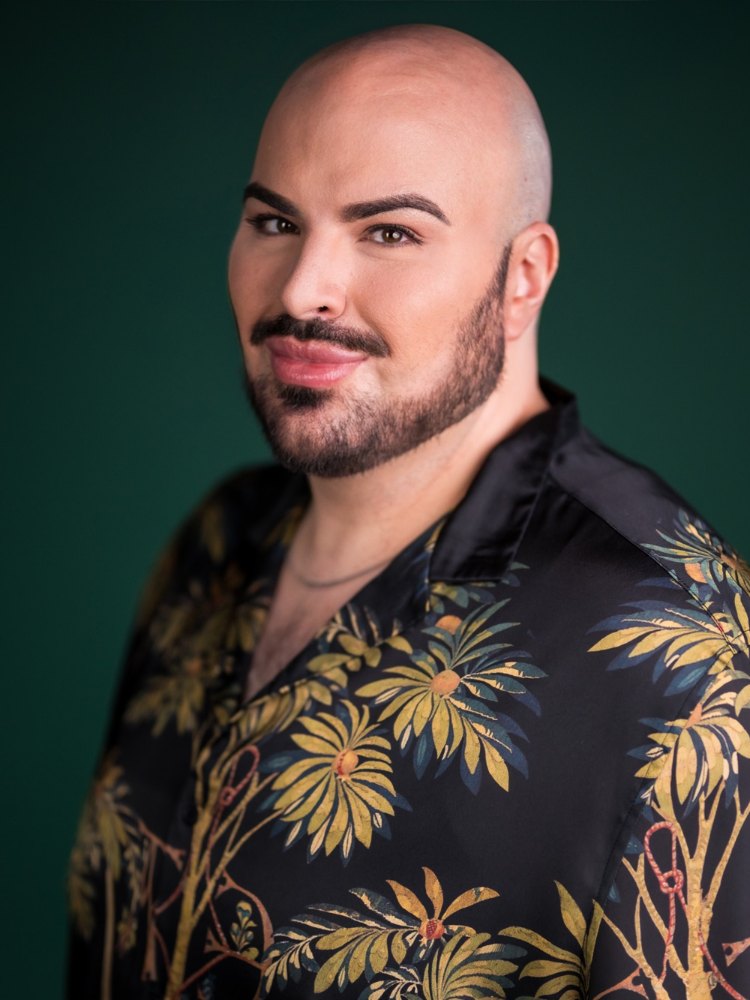


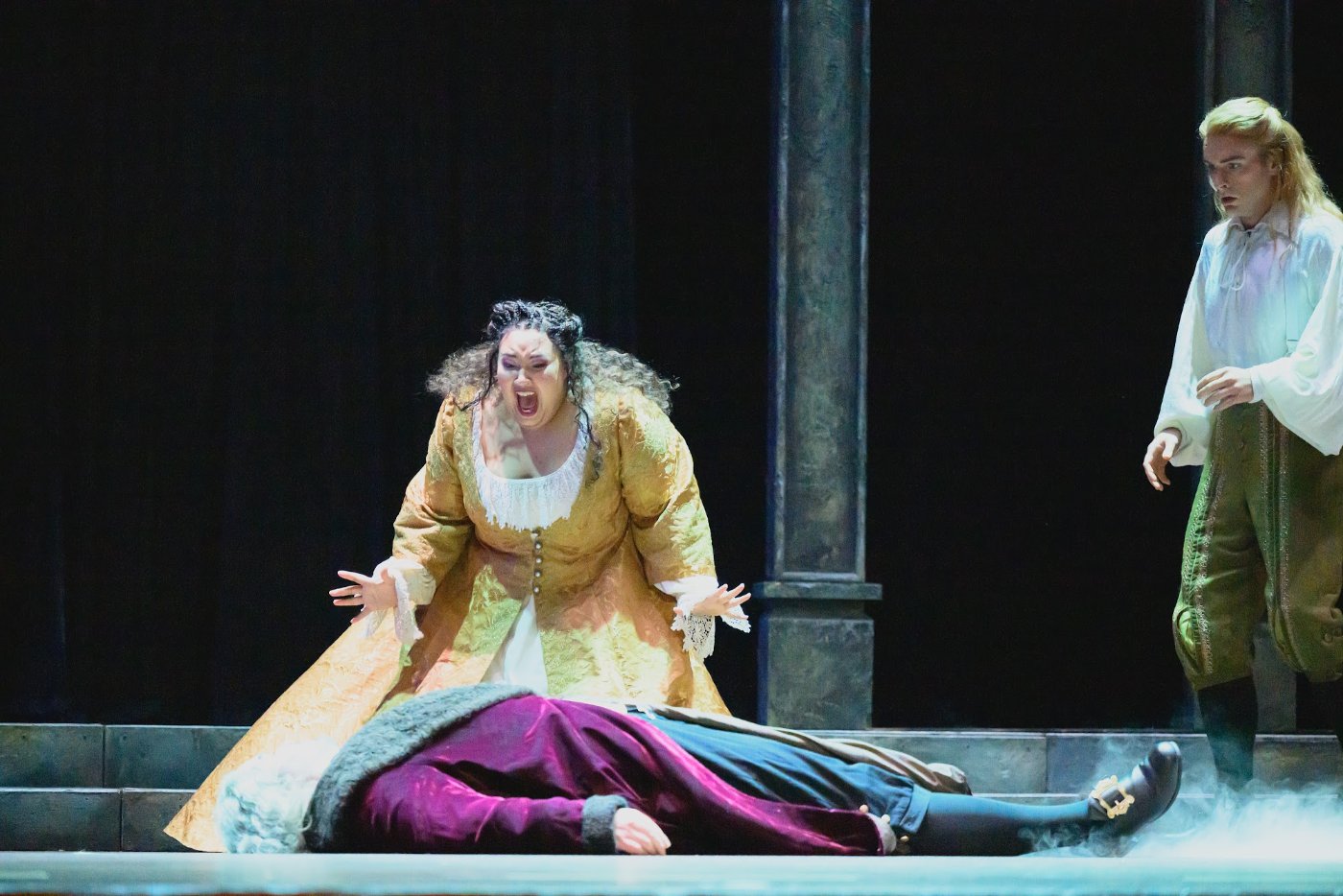
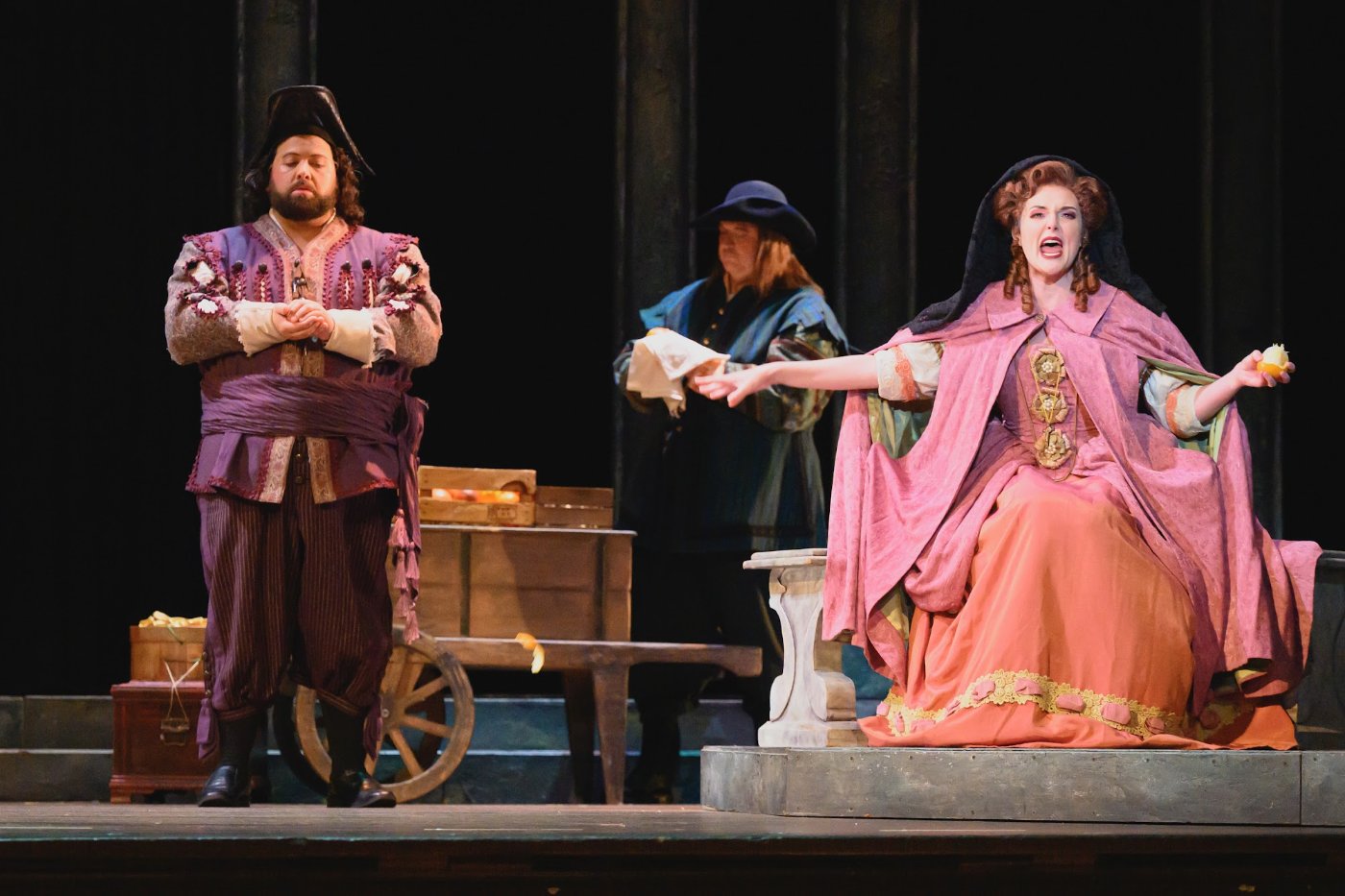


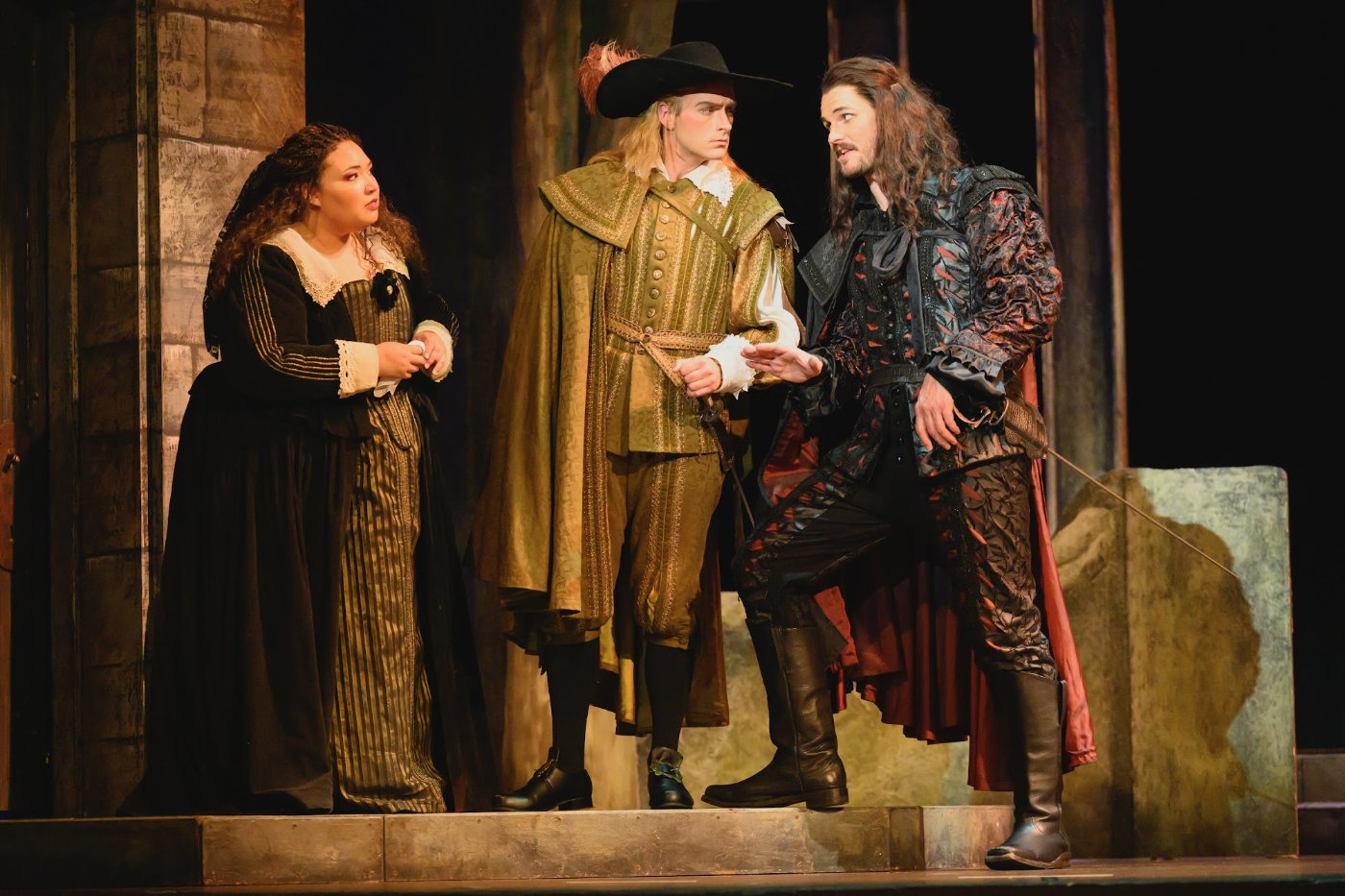


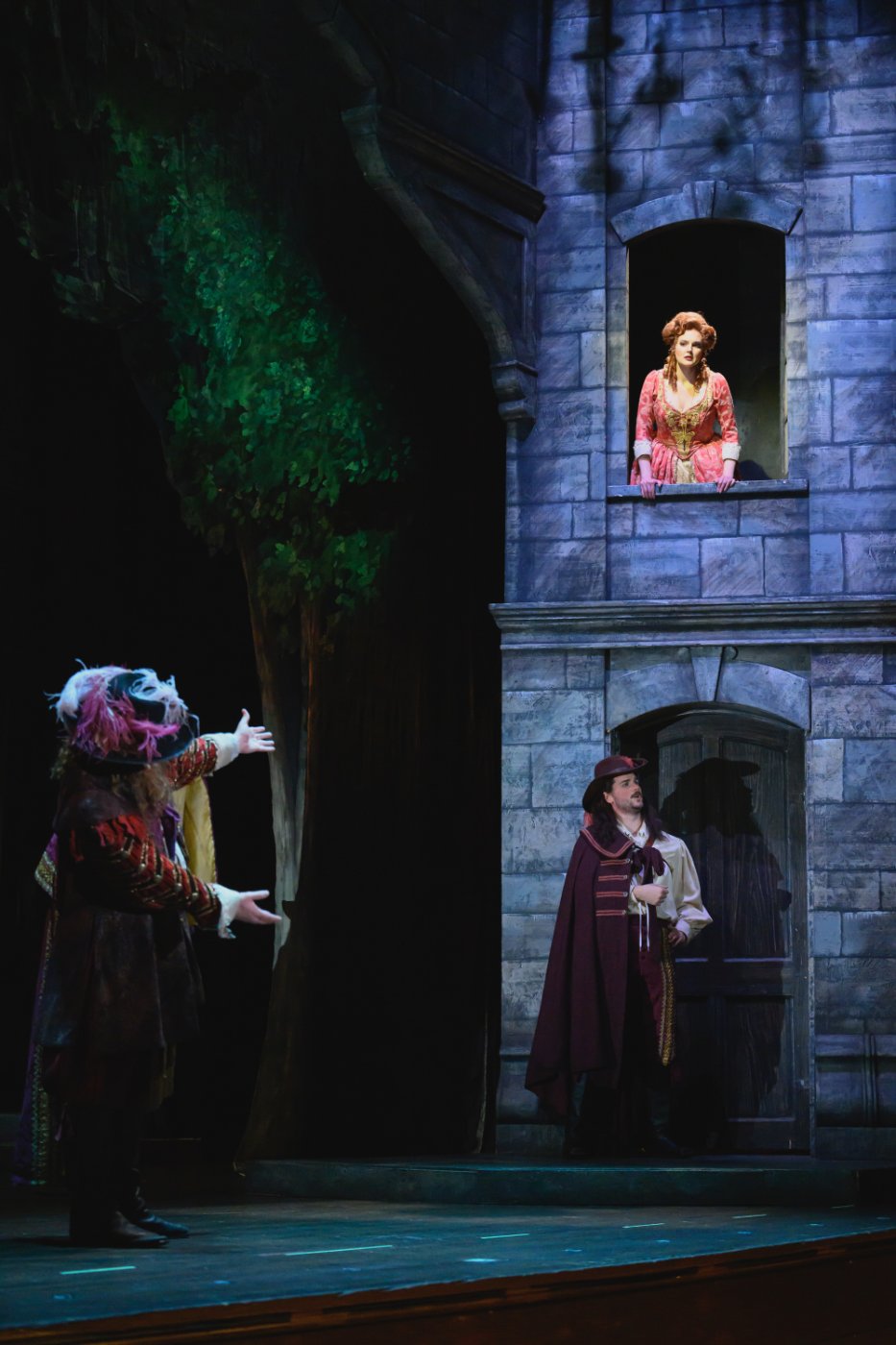


Photos by Joe del Tufo / Moonloop Photography.
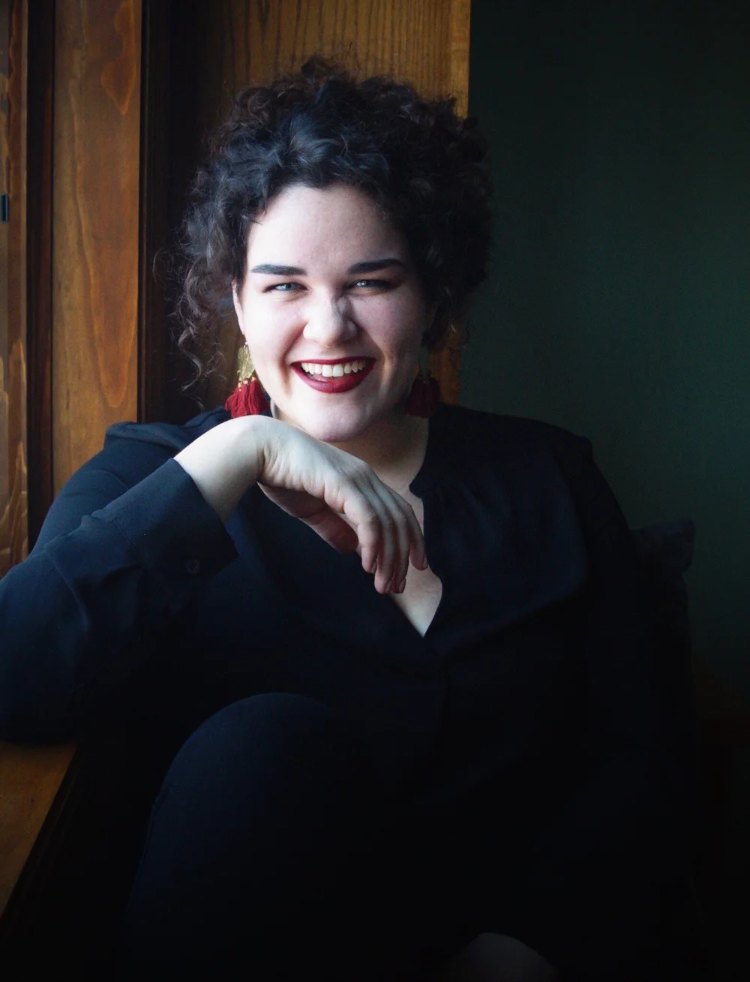
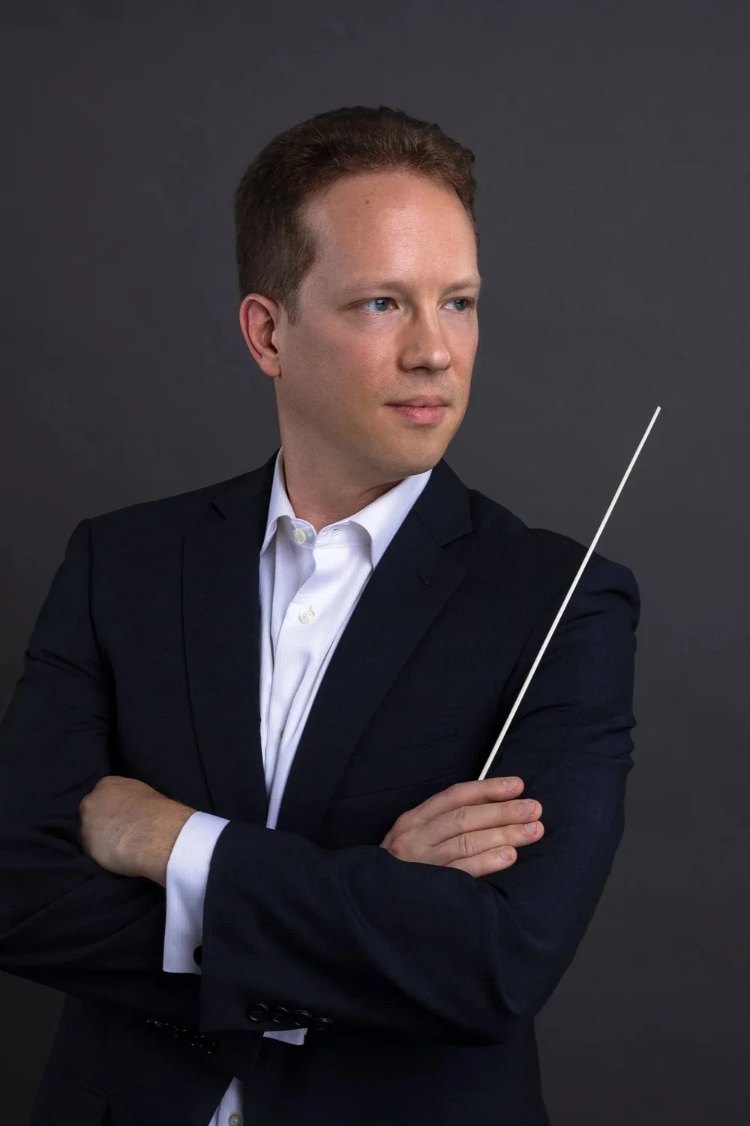
Jonathan Bryan, baritone
Don Giovanni in Don Giovanni
Jonathan Bryan is a Dallas-born baritone praised by the Union Times for his “beautifully resonant baritone” and by Opera Today for his “substantial sound.” An alumnus of Washington National Opera’s Cafritz Young Artist Program, Wolf Trap Opera, and The Glimmerglass Festival, he has performed leading roles on stages throughout the United States and abroad. Recent seasons have included Baron Douphol in La traviata with Lyric Opera of Kansas City, Captain von Trapp in The Sound of Music with Arizona Opera, and Beaumarchais in The Ghosts of Versailles at Glimmerglass. He holds degrees from Louisiana State University and the Indiana University Jacobs School of Music, where he studied with baritone Wolfgang Brendel.
Katerina Burton, soprano
Donna Anna in Don Giovanni
Katerina Burton is a soprano acclaimed for her “vocal fire and dramatic conviction” (Isthmus) and a 2024 winner of the George and Nora London Competition. A graduate of Washington National Opera’s Cafritz Young Artist Program and The Juilliard School, she has sung Mimì in La bohème with Opera Theatre of Saint Louis and Alice Ford in Verdi’s Falstaff opposite Bryn Terfel at the Aspen Music Festival, and she was the soprano soloist in the Kennedy Center premiere of Adolphus Hailstork’s JFK: The Last Speech with the National Symphony Orchestra. She is a recipient of the Sara Tucker Study Grant from the Richard Tucker Foundation.
Sarah Coit, mezzo-soprano
Donna Elvira in Don Giovanni
Mezzo-soprano Sarah Coit made her role and company debut as Donna Elvira with OperaDelaware and Opera Baltimore this season. A native of Spring Hill, Florida, and a graduate of the University of Michigan and the University of South Florida, she has performed with San Francisco Opera, Seattle Opera, Utah Opera, Opera Theatre of Saint Louis, and Opera Tampa, among many others. She created the role of Polly Thompson in the world premiere of Touch with Opera Birmingham and has appeared in several other world premieres.
Hayden Smith, tenor
Don Ottavio in Don Giovanni
Hayden Smith is an American tenor praised for his “burnished tenor blessed with technique and glorious phrasing” (Houston Press). A native of Quakertown, Pennsylvania, he is a graduate of Temple University and Rice University’s Shepherd School of Music, where he studied with Grammy Award-winning soprano Ana María Martínez, and he has trained at Wolf Trap Opera, The Glimmerglass Festival, Des Moines Metro Opera, and the Music Academy of the West. Recent seasons have included company debuts with Annapolis Opera and Indianapolis Opera as Count Almaviva in Il barbiere di Siviglia, his Glimmerglass Festival debut as Tybalt in Roméo et Juliette, and the world premiere of Damien Geter and Lila Palmer’s American Apollo with Des Moines Metro Opera.
Dylan Gregg, bass-baritone
Leporello in Don Giovanni
Dylan Gregg is a bass-baritone from Salisbury, Maryland, earning acclaim for his “booming young voice of effortless projection and smooth tone quality” (Palm Beach Daily News). Delaware audiences will remember him as Roucher in OperaDelaware’s company premiere of Andrea Chénier in spring 2026; Opera News called his performance “an unusually strong vocal and dramatic profile.” He has trained at the Academy of Vocal Arts, Santa Fe Opera, Wolf Trap Opera, and Des Moines Metro Opera, and holds degrees from Boston University and Rice University’s Shepherd School of Music.
Robin Steitz, soprano
Zerlina in Don Giovanni
Robin Steitz is a Burmese-American soprano based in the Berkshires of Massachusetts. A Tanglewood Voice Fellow and former OperaDelaware Young Artist, she has sung Susanna in The Marriage of Figaro with OperaDelaware and Cunegonde in Candide with Northern Lights Music Festival. She has worked closely with living composers throughout her career, including in the American premiere of Richard Ayres’s The Cricket Recovers at Tanglewood under the baton of Thomas Adès. She holds degrees from Reed College and the Eastman School of Music.
Gerard Moon, baritone
Don Giovanni in Don Giovanni Portraits; Masetto in Don Giovanni; Vidal in Fernanda; Melchior in Amahl and the Night Visitors; Guglielmo in Le Villi; Pluto in Jonathan Dove’s L’altra Euridice, Orpheus Retold
Baritone Gerard Moon has been praised by OperaWire as “a singer with authority and command and incredible stage presence” and by the Lexington Herald-Leader for his “strong voice, impeccable diction, and a huge sense of fun.” A native of South Korea, Moon is recognized for his rich, lyrical baritone and compelling dramatic presence.
Read moreShow less
Moon has studied and performed throughout the United States and internationally, with appearances in Italy, Austria, the Czech Republic, New Zealand, Australia, Brazil, and across Asia. He earned a Master of Music in Vocal Performance from the University of Kentucky, where he studied with Cynthia Lawrence, and went on to doctoral studies. His honors include the Alltech Vocal Scholarship, the National Society of Arts and Letters Award Scholarship, the Outstanding Graduate Music Student Award, and the Tom Getchell Scholarship.
A versatile singing actor, Moon has sung many of opera’s most demanding baritone roles, including Figaro (Il barbiere di Siviglia), Germont (La traviata), Ford (Falstaff), Don Giovanni and Leporello (Don Giovanni), the Count (Le nozze di Figaro), the title role in Rigoletto, Dr. Miracle and Coppélius (Les contes d’Hoffmann), Belcore (L’elisir d’amore), and Dr. Falke (Die Fledermaus).
As an OperaDelaware Company Artist, Moon has sung the Mandarin in Turandot (spring 2024), Schaunard in La bohème (fall 2024), Angelotti in Tosca (fall 2025), Gérard in Giordano’s Andrea Chénier (spring 2026), and Tonio in Pagliacci.
This season, he sings Don Giovanni in Don Giovanni Portraits, Masetto in Don Giovanni, Vidal in Fernanda, Melchior in Amahl and the Night Visitors, Guglielmo in Le Villi, and Jonathan Dove’s L’altra Euridice in Orpheus Retold.
Matthew Anchel, bass
Commendatore in Don Giovanni
Matthew Anchel is a bass hailed by The Wall Street Journal as “a voice to watch.” Now in his tenth season with The Metropolitan Opera, he has appeared there in productions including Tannhäuser, Dialogues des Carmélites, Die Meistersinger von Nürnberg, Cendrillon, and Andrea Chénier. He has also performed with Oper Stuttgart, Oper Leipzig, the Glyndebourne Festival, Santa Fe Opera, Lyric Opera of Chicago, and the Houston Symphony, among others, and he appears on the Grammy-nominated recording of Jeanine Tesori’s Grounded.
Julian Grabarek
Assistant Conductor
Pianist and conductor Julian Grabarek is a sought-after collaborator on opera productions nationwide. An OperaDelaware Company Artist, he is the company’s Resident Coach and Conductor. In the 2026-27 season he is music director of OperaDelaware’s chamber productions of Fernanda and Amahl and the Night Visitors and assistant conductor for its mainstage Don Giovanni, and he joins Opera Philadelphia as guest coach and harpsichordist for the world premiere of Luke Styles’s Sitcom.
In 2025-26 he joined the music staff of Des Moines Metro Opera (associate conductor, Of Mice and Men), OperaDelaware (pianist and coach, Andrea Chénier), and San Diego Opera (vocal coach, Carmen). From 2023 to 2025 he was an Adler Fellow at San Francisco Opera, where he worked on The Magic Flute, Carmen, Idomeneo, and the acclaimed world premiere of Huang Ruo’s The Monkey King.
He teaches at the Curtis Institute of Music and in 2027 joins the University of Michigan’s Department of Voice and Opera as Visiting Lecturer in Vocal Coaching. He also performs recitals with singers and instrumentalists, with a particular passion for Mozart and Czech composers.
Husan Chun-Novak
Rehearsal Pianist
Husan Chun-Novak is a pianist and conductor who has worked for more than thirty years as an assistant conductor, opera pianist, and continuo player at major theaters and festivals in Europe, Asia, and the Americas. Her credits include the Theater an der Wien, the Mariinsky Theatre, Teatro Municipal de Santiago, Teatro de la Zarzuela, Palau de les Arts, and Maryland Lyric Opera, and she has worked with conductors including Riccardo Frizza and Speranza Scappucci and directors including Emilio Sagi and Calixto Bieito. As a recital pianist, she has performed at the Musikverein Wien and the Teatro Real in Madrid. A frequent collaborator with OperaDelaware and Opera Baltimore, she created Puccini Portraits in 2025, an arrangement of extended scenes and arias from Tosca, Madama Butterfly, and La fanciulla del West that was presented in Maryland and Delaware and repeated when OperaDelaware hosted the 2026 OPERA America Conference in Wilmington.